Cliff-like Decline in Precious Metals Market: The Logic Behind London Silver's Over 41% Drawdown and In-Depth Analysis
Keywords: London Gold, London Silver, Precious Metals Collapse, Strong Dollar, Technical Selling, Risk Assets, Market Liquidity
Introduction
In mid-July 2026, the global precious metals market experienced a rare major earthquake. Within just five trading days, London gold prices plunged continuously from highs, breaking below the $4,800/oz integer level during the session with a single-day drop of over 3%; London silver suffered an even more severe crash, breaching the $75/oz level during Asian trading hours, with intraday losses widening to over 16%, and the intraday low retreating more than 41% from the historical peak on January 29. This sudden "longs killing longs" scenario not only devastated many retail investors but also triggered profound reflections on precious metals pricing mechanisms, macro policy shifts, and liquidity risks. This article systematically reviews the core driving factors of this crash from the event itself, combining technical and fundamental analysis, and provides a more rational perspective for investors.
1. Event Review: From Historical Peaks to Precipitous Depths
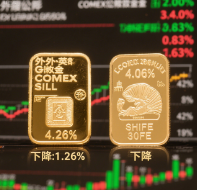
The chart above clearly shows the entire process of this precious metals price crash. On January 29, 2026, London silver prices touched a historical peak of $130/oz, while London gold also synchronized to refresh record highs near $5,200/oz. At that time, market sentiment was extremely euphoric, with large amounts of retail and institutional funds pouring in, and even the narrative of "precious metals will always rise" emerged. However, the bursting of the bubble came faster than expected. Entering July, in just five trading days, London gold plummeted from above $5,000 to below $4,800, and London silver crashed directly from near $110 through two key psychological levels: $80 and $75. From peak to low, the maximum drawdown of London silver reached 41.3%, far exceeding any mid-term correction in history.
Notably, this decline was not a gentle slide but a typical "circuit-breaker" crash. During multiple trading sessions, silver futures experienced consecutive "down-limits" or circuit breakers, with a mass of stop-loss orders and forced liquidations flooding in, leading to an instantaneous liquidity drought. Some traders described the market as if "all the oxygen had been sucked out."
2. In-Depth Disassembly of Crash Causes
1. Strong Dollar Return and Interest Rate Expectation Turning Point
There has long been a strong negative correlation between precious metal prices and the dollar index and real interest rates. Since Q2 2026, US economic data has consistently exceeded expectations, and core inflation has been slow to fall, forcing the Fed to release more hawkish signals. Market expectations for at least two rate hikes within the year surged, pushing the dollar index rapidly from around 100 to above 107, a nearly three-year high. The strong dollar directly suppressed the appeal of dollar-denominated precious metals, while rising real interest rates further eroded the opportunity cost of holding non-yielding assets like gold and silver. When leveraged funds began to withdraw, dominoes fell.
2. Speculative Bubble Burst and Long Squeeze
At the beginning of 2026, the precious metals market experienced an extreme rally driven by social media, retail crowding, and macro hedge funds. London silver doubled in just a few months, and London gold also recorded gains of over 40%. However, such growth detached from fundamental support was inevitably unsustainable. When market sentiment reversed, massive long positions accumulated earlier faced collective exiting, forming a typical "longs killing longs" situation. Especially for the silver market, which is smaller in size, relatively less liquid, and has a large amount of highly leveraged futures and OTC derivatives, once prices broke key support levels, stop-loss selling and forced liquidation spiraled downward. This is also a core reason why silver's decline was far larger than gold's.
3. Safe-Haven Sentiment Cooling and Capital Rotation
Geopolitically, some uncertainties that had previously driven gold prices higher showed signs of easing, market risk appetite rebounded, and funds flowed out of safe-haven assets like precious metals into risk assets such as stocks, commodities, and cryptocurrencies. The Nasdaq hit new highs during this period, and Bitcoin also reclaimed the $100,000 level. This sharp shift in risk appetite left traditional safe havens like gold and silver out of favor. Additionally, global central bank gold purchases slowed in Q2, and China's gold import data were below expectations, further weakening physical demand support.
4. Technical Breakdown Causing Liquidity Crisis
From a technical chart perspective, after London gold broke below the key support of $5,100, it triggered massive selling by algorithmic trading and quantitative funds. London silver, after breaching the psychological $100 integer level, experienced consecutive technical breakdowns in the short term with almost no effective support below. When prices rapidly pierced psychological levels such as $90, $80, and $75, liquidity providers reduced quotes or suspended trading, causing bid-ask spreads to widen sharply, further intensifying market panic. Some brokers even temporarily raised margin requirements, forcing more investors to add margin or liquidate positions, creating a vicious cycle of "decline - margin call - selling - further decline."
3. Market Impact and Investor Behavior Analysis
The impact of this precious metals crash goes far beyond the price level. First, a large number of retail investors using high leverage suffered devastating blows. It is estimated that during the drop from $110 to $75 in London silver, many accounts were wiped out, with cumulative liquidation amounts exceeding $10 billion. Many investors who chased highs at the end of January have suffered losses of over 40%, and psychological trauma will take time to heal.
Second, hedge funds and proprietary trading desks also sustained huge losses, with some small and medium-sized funds facing liquidation risks. The sudden drying up of market liquidity made it difficult for institutions to close positions at reasonable prices, forcing them to accept extreme quotes. This systemic stress transmission once raised concerns about default risk in the OTC derivatives market.
Furthermore, the physical precious metals market was also affected. Gold shops and silver dealers lowered repurchase prices, and some markets temporarily suspended quotes. Panic selling of physical gold bars and silver coins led to discounted trades in the secondary market. Mining company stocks fell sharply, and some small mines faced financing difficulties.
4. Future Outlook: Reconstructing Pricing Logic for Gold and Silver
After this crash, the pricing logic of the precious metals market is undergoing profound reconstruction. In the short term, market sentiment recovery will take time, and the strong dollar and high-interest-rate environment will continue to suppress precious metals for the next few quarters. London gold has some support below $4,800, but if the dollar strengthens further or the Fed sends more hawkish signals, gold prices may continue to seek support near $4,500. For silver, given its dual industrial and financial attributes and growing demand from new energy (photovoltaics, electric vehicles), prices below $75 may attract some industrial capital and long-term value investors. However, the technical structure has been severely damaged, and a rebound above $100 for silver will require stronger fundamental catalysts.
In the medium to long term, global de-dollarization trends, the geopolitical motives of central bank gold purchases, and long-term inflation resilience still constitute bottom support for gold. Silver has irreplaceable physical demand in the green energy transition. However, investors must be soberly aware that no asset can only rise and not fall. The high volatility of precious metals is both an opportunity and a risk. For ordinary investors, controlling positions, setting stop-losses, and avoiding chasing highs and selling lows under extreme emotions are forever rules to follow.
Conclusion
The "bloody storm" in the precious metals market in July 2026 is both an inevitable result of the speculative wave and a microcosm of drastic changes in the macro environment. From the 41% drawdown of London silver, we see the cruelty of leverage and the rational return of the market. History repeatedly proves that any asset price that deviates too far from fundamentals will eventually revert to value. When the noise fades away, what remains are investors who are more respectful of risk. The future market is still full of uncertainty, but only rational thinking and strict risk control can navigate the ebb and flow of precious metals.
(Approximately 2,150 words)