Precious Metals: Value Anchor and Asset Allocation Core Through Cycles
Keywords: Precious metals, gold, silver, platinum, asset allocation, inflation hedge, safe-haven assets, industrial demand
Introduction
Against a backdrop of heightened global economic volatility, recurring inflation expectations and rising geopolitical uncertainty, precious metals have once again become a market focus. Whether as traditional wealth storage tools or as important asset classes in modern financial systems, precious metals, with their scarcity, stability and unique industrial attributes, have long held a significant position. Unlike ordinary commodities, precious metals not only have commodity value but also carry monetary, safe-haven and investment attributes, thus playing an irreplaceable role in personal finance, institutional allocation and industrial applications.
I. Core Value of Precious Metals: Scarcity and Credit Substitution
Precious metals typically include gold, silver, platinum, palladium, among which gold is the most representative. The fundamental reason it has been widely accepted for thousands of years is its natural scarcity, stable chemical properties, ease of division and long-term preservation. Unlike fiat currency, precious metals do not rely on the credit of a single country nor are they directly affected by a single monetary policy, thus during periods of monetary easing, credit expansion or financial turmoil, they often become a "safe harbor" for funds.
Historically, precious metals function both as a store of wealth and a vehicle for value transfer. When fiat currencies face depreciation pressure, precious metals can to some extent hedge against purchasing power decline; when financial markets experience severe volatility, precious metals can serve as important tools for reducing portfolio risk. This dual attribute determines that precious metals are not mere speculative targets but strategic assets with long-term allocation significance.
II. Main Drivers of Precious Metal Prices
Precious metal prices do not change in isolation but are influenced by multiple factors including macroeconomics, monetary policy, geopolitical situations and industrial demand.
First, real interest rates are a key variable affecting gold prices. Generally, when interest rates fall or inflation rises, the opportunity cost of holding non-yielding assets decreases, making gold and other precious metals more attractive. Second, the dollar trend is also highly correlated with precious metal prices. Since international precious metals are mostly priced in dollars, a weaker dollar tends to boost their relative prices.
Additionally, global risk events have a significant impact on precious metals markets. War, financial crises, sovereign debt problems or regional conflicts all increase market safe-haven demand, thereby pushing up the allocation heat for assets like gold. For silver, platinum and palladium, besides safe-haven attributes, industrial demand is equally important. Silver is widely used in electronics, photovoltaics and medical devices; platinum and palladium play key roles in automotive exhaust purification and chemical catalysis. Therefore, the prices of related metals are driven not only by financial factors but also by the health of the real economy.
III. Role of Precious Metals in Asset Allocation
From a portfolio perspective, one of the most important functions of precious metals is risk diversification. Assets such as stocks, bonds and real estate may all face simultaneous pressure under certain macro environments, while precious metals, due to their independent pricing mechanism, can often play a stabilizing role in a portfolio. Especially when inflation rises, market liquidity tightens or recession expectations increase, the defensive value of precious metals becomes more prominent.
For ordinary investors, precious metals allocation should not be overly concentrated, nor should one chase rises and sell on falls. A more reasonable approach is to adopt a strategy of phased building and regular allocation based on one's own risk preference, investment horizon and asset size. For example, gold is suitable for core defensive functions, silver can balance financial and industrial elasticity, while platinum and palladium are more suitable for investors with some judgment on industry trends. If participating via physical holdings, ETFs, paper gold, futures or related listed company stocks, one should fully understand the liquidity, leverage and transaction costs of different instruments.
IV. Risks to Watch in Precious Metal Investment
Although precious metals have strong value preservation attributes, their prices also carry volatility risk. First, precious metals are not equivalent to "only going up." When the global economy recovers, real interest rates rise, or market risk appetite improves, precious metal prices may face periodic pressure. Second, some precious metal varieties, such as silver and palladium, often have higher volatility than gold and are more susceptible to supply-demand changes and speculative sentiment.
Moreover, investing in physical precious metals also requires consideration of processing fees, storage costs, authenticity verification and repurchase discounts; if participating through derivatives, one should be aware of leverage risk and liquidity risk. Therefore, precious metal investment is more suitable as part of a medium- to long-term allocation rather than the sole tool for short-term speculation.
V. Future Trends of the Precious Metals Industry
In the long run, structural opportunities in the precious metals market still exist. On one hand, high global debt levels and recurring monetary policy cycles continue to strengthen gold's strategic allocation value; on the other hand, the development of new energy, electronics manufacturing and green transformation is driving demand for industrial precious metals like silver and platinum, opening up new application spaces for the industry.
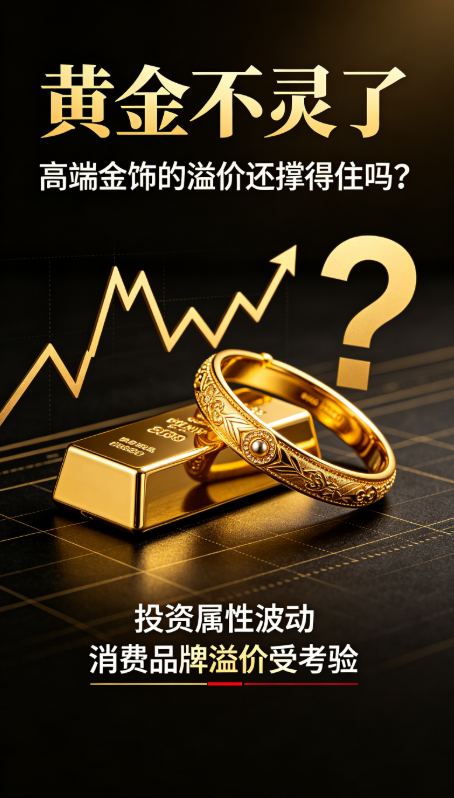
Notably, with consumption upgrading and aesthetic diversification, the role of precious metals in jewelry, high-end customization and brand consumption is also rising. Especially gold, with strong cultural identity, emotional value and aesthetic expression, has powerful vitality. It is not only a financial asset but also a consumer good carrying value and taste. In the future, the precious metals market is expected to form a more stable development pattern under the triple logic of "investment + consumption + industry."
Conclusion
Overall, the reason precious metals have been favored by the market for a long time lies in their combination of scarcity, stability and multi-functionality. Whether as safe-haven tools, wealth stores, or as industrial raw materials and consumer carriers, precious metals play an important role in the global economic system. For investors, understanding the price logic, risk characteristics and allocation value of precious metals is more important than merely chasing short-term trends. Only by placing precious metals within the long-term asset allocation framework can one truly realize their core role of navigating cycles and protecting wealth.